



.jpg_1759869177.3989_9564518c87_fullsize.webp)
.jpg_1758051740.5057_0ad83a0b80_fullsize.webp)
Published Jun 02, 2026
3.769K
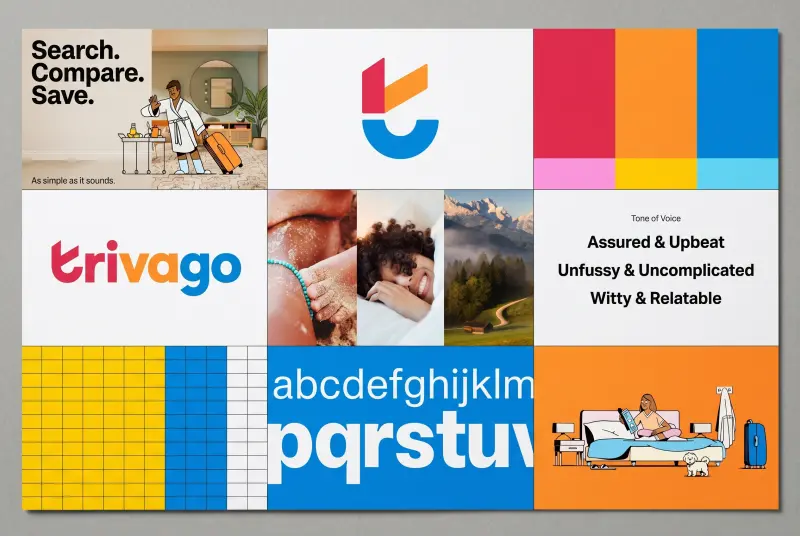
Trivago Review: Maximize Your Hotel Booking Savings
Picture yourself sitting at your desk late on a Tuesday evening, staring at a gorgeous digital photo of a sun-drenched infinity pool overlooking the Mediterranean Sea. You are ready to pull the trigger on a much-needed vacation, but as you open four different browser tabs to check the room rate, your excitement instantly deflates. One travel site lists the room at $210 per night, another claims it is a "special deal" at $185, and a third platform hidden behind a flashing countdown timer demands $245 for the exact same dates. Trying to navigate the fragmented world of modern hospitality without a centralized strategy often feels like an exhausting, high-stakes guessing game where one wrong click means overpaying by hundreds of dollars.
Fortunately, securing an idyllic escape or booking a reliable hotel for your next corporate business trip does not require you to play digital detective or spend hours cross-referencing disjointed booking portals. Welcome to the definitive consumer blueprint for mastering Trivago deals, your ultimate toolkit for conquering the global travel market with a value-focused mindset. In this comprehensive, journalistic analysis, we will pull back the curtain on how this massive comparison platform operates, analyze its latest AI-driven user upgrades, and share precise insider strategies to protect your vacation budget. Whether you are hunting for a budget-friendly road-trip motel or a luxury boutique resort, learning how to manipulate this metasearch engine will permanently transform the way you invest in your travel experiences.
Navigating the Metasearch Maze: What Is Trivago and How Does It Work?
To extract the maximum financial value from the platform, you must first understand its unique structural position in the digital travel landscape. Founded in Düsseldorf, Germany, in 2005, Trivago established its massive global footprint by functioning as a pure metasearch engine rather than an Online Travel Agency (OTA). While individual storefronts like Booking.com, Expedia, or Agoda actually sell you the hotel room, manage your payment transaction, and handle your reservation itinerary, Trivago operates as an independent price-comparison directory.
The mechanism behind the platform is a marvel of automated data collection. The platform scans and aggregates real-time data from more than 300 different booking sites and direct hotel distribution channels simultaneously. In a matter of seconds, the search matrix compiles prices, room availability, high-resolution imagery, and verified guest reviews for more than 5 million accommodation listings spread across 190 countries.
When you find an appealing rate and click the "View Deal" button, the platform does not process your credit card. Instead, it seamlessly routes your browser directly to the underlying booking channel that provided that specific price. Because the company generates revenue through a cost-per-click (CPC) or cost-per-acquisition (CPA) model funded by these third-party platforms, the service remains entirely free for everyday consumers looking to slash their hotel prices.
Scoring the Best Rates: Eligibility, Member Tiers, and Hidden Deals
One of the greatest attributes of this comparison ecosystem is its universal accessibility and absence of gatekeeping. Anyone possessing an internet connection and a digital device can instantly pull up the search matrix and start hunting for markdown rates. There are no geographic restrictions, forced entry fees, or hidden premium paywalls required to access the baseline search engine.
However, leaving your search behavior strictly anonymous means missing out on the platform's most powerful pricing loophole: Trivago Member Deals. While casual visitors only see standard public rates, users who take thirty seconds to register a completely free member profile instantly unlock a hidden layer of deeper discounts.
These private, member-only price drops routinely shave an extra 10% to 20% off the lowest publicly available rates. Booking channels intentionally hide these specialized discounts behind a secure user login to legally bypass "rate parity" agreements—industry contracts that forbid public travel sites from undercutting a hotel's direct list price. By maintaining a verified user account, you gain legitimate access to these restricted corporate rates, compounding your total savings without spending a single dime on a paid subscription.
Deconstructing the Interface: Key Features and AI Upgrades
To shop the digital corridors like a seasoned travel executive, you must learn to navigate the robust filtering architecture and the newly deployed technological upgrades that define the modern booking landscape. The application has evolved far beyond a basic numerical sorting list to give you complete command over your accommodation choices.
Advanced Filtering Matrices
The platform allows you to apply surgical precision to your hotel hunts. Beyond basic parameters like star ratings or geographic distance from a city center, you can instantly isolate properties by highly specific lifestyle criteria. This includes filtering for free cancellation policies, complimentary breakfast packages, pet-friendly facilities, or specialized electric vehicle charging stations.
AI-Assisted Review Summaries
The platform rolled out an extensive, highly sophisticated AI search integration designed to eliminate review fatigue. Rather than forcing travelers to scroll through thousands of conflicting guest comments to find out if a resort is clean or quiet, native machine-learning algorithms analyze the global review sentiment across all 300+ aggregated sites. The system then delivers a highly concise, objective textual summary detailing the exact real-world condition of the property's amenities, service quality, and hidden resort pain points, protecting you from booking a beautifully photographed hotel that suffers from poor real-world maintenance.
The Rise of Alternative Accommodations
Recognizing the massive cultural shift toward independent lodging, the search matrix has aggressively expanded its coverage of alternative accommodations. Alongside traditional multi-story hotels, the system blends millions of private apartments, rustic vacation cabins, boutique villas, and unique bed-and-breakfast listings directly into a unified feed. This consolidation allows families to directly compare the cost and square footage of a traditional double-queen hotel suite against a multi-room private home within the exact same neighborhood block.
The Ultimate Savings Playbook: Strategic Maximization Hacks
While letting the search engine display its default results is a great start, experienced lifestyle travel hackers implement a specific sequence of habits to push their out-of-pocket travel expenses down to the absolute absolute minimum.
Force the Mobile App Rate Loophole
Many prominent online travel agencies deploy heavily discounted "mobile-only" rates that are completely invisible when browsing on a traditional desktop or laptop computer. To capture these aggressive price drops, always conduct your final checkout phase using the official mobile application. The app automatically flags these specialized mobile-only markdowns, ensuring you never miss an extra layer of savings simply because of the device you are using.
Double-Dip with External Loyalty Programs
Because the platform redirects you to an external OTA or direct hotel website to finalize your reservation, you can double-dip on your rewards. Once you land on the redirected booking site, ensure you are logged into that specific platform's native loyalty program (such as Expedia’s One Key or Booking.com’s Genius program). This allows you to secure the ultra-low baseline price exposed by the comparison engine while simultaneously collecting valuable loyalty points, free night credits, or status-based perks on the back end.
Execute a Final Price-Match Verification
Before typing your credit card details into the redirected booking site, take two minutes to visit the hotel’s official direct website independently. Occasionally, a hotel property will match or beat the lowest third-party rate found on comparison sites if you book with them directly, often throwing in complimentary perks like free room upgrades, early check-in, or high-speed Wi-Fi to keep your business within their internal ecosystem.
The Ultimate Showdown: Metasearch Curation vs. Single OTA Surfing
When you stack the comprehensive metasearch capabilities of Trivago against the traditional habit of searching on a single online travel agency, the practical advantages for your wallet become instantly obvious. Relying on a single booking site creates a dangerous illusion of choice; it forces you to pick from a restricted inventory menu that is subject to that specific platform's corporate markups, search algorithms, and promotional biases.
| Booking Strategy | Inventory Depth | Pricing Transparency | Loyalty Integration |
| Single OTA Surfing | Restricted to one corporate database | Prone to localized markup algorithms | Limited to that platform's internal points |
| Trivago Metasearch | Aggregated across 300+ global sites | Real-time comparative price matrix | Allows back-end double-dipping on rewards |
Trivago breaks down these digital silos. By providing a panoramic, side-by-side view of the entire global travel marketplace on a single screen, it forces competing travel sites to bid aggressively for your business. It strips away artificial scarcity tactics and gives you complete transparency over what a room actually costs across the open market.
Frequently Asked Questions About Trivago
Is Trivago a booking platform, and do I pay them directly?
No, the platform is strictly a metasearch engine and price-comparison directory, not a direct booking platform or an online travel agency. The company does not own hotel properties, manage room reservations, or process your credit card transactions. When you select a specific hotel price and click the deal link, your browser is instantly redirected to the independent third-party website or direct hotel page providing that rate, which is where you will complete your payment and receive your final booking confirmation.
What are Trivago Member Deals, and how much can I save?
Member Deals are exclusive, non-public hotel rates that are locked behind a secure user login. Because global rate parity agreements forbid online travel sites from openly advertising heavily discounted rooms to the general public, hotels and travel channels utilize free membership registration to distribute these specialized rates legally. Creating a free account unlocks these hidden markups, frequently saving you an extra 10% to 20% on premier accommodations worldwide.
Why does the price sometimes change when I am redirected to the booking site?
Price discrepancies typically occur due to rapid, dynamic rate changes or localized tax structures. Because hotel availability and pricing bounce around in real time based on active consumer demand, a room can occasionally sell out or adjust in price during the brief window between the comparison scan and your redirection. Furthermore, while the platform works hard to display all-inclusive totals, some external booking sites do not show localized hospitality taxes, local tourism levies, or mandatory resort fees until you reach their final checkout page.
How do the new AI search features help me pick a better hotel?
The newly expanded AI search features utilize advanced text-processing algorithms to digest millions of crowd-sourced guest reviews spread across the internet. Instead of spending hours reading contradictory comments from individual travelers, the integrated AI automatically filters out the noise and provides a highly concise, objective summary detailing exactly what past guests thought about the property’s cleanliness, bed comfort, ambient noise levels, and customer service quality.
Final Thoughts: Master the Art of the Smart Stay
Upgrading your vacation itinerary, discovering magnificent international destinations, or securing a peaceful hotel room for a weekend family gathering should never feel like an unmanageable financial burden or a stressful gamble on unverified listings. Over more than two decades of rapid global expansion, Trivago has continuously demonstrated that when consumers are equipped with transparent comparison tools, automated price data, and free member rewards, premium accommodations can remain accessible to every budget.
By combining the free price-cutting power of a verified member profile, forcing mobile-only discounts through your smartphone, and utilizing advanced AI sentiment summaries to skip bad properties, you possess a foolproof playbook to outsmart standard retail travel markups. Give your next adventure the exact financial optimization it deserves today, protect your hard-earned household budget, and step out onto your next journey with absolute confidence.
Affiliate Disclosure: This article contains affiliate links to the Trivago platform. If you click on these links and choose to register or make a purchase, we may earn a referral commission. This commission comes at no additional cost to you and supports the ongoing research and publication of high-quality e-commerce and lifestyle content. All opinions and recommendations remain strictly our own.